


How to Find a Reliable Automatic Toilet Seat Manufacturer?

Choosing an automatic toilet seat manufacturer is not simply a matter of comparing unit prices.
For commercial restroom projects, the supplier you choose will affect installation, sanitary film availability, maintenance, replacement parts, product consistency and long-term operating costs.
This is particularly important for airports, hotels, hospitals, shopping malls, restaurants, offices and other high-traffic facilities, where toilet seats may be used hundreds of times every day.
If you are sourcing an automatic hygienic toilet seat for a commercial project, here are 10 areas worth checking before placing an order.
1. Does the Supplier Own or Control Its Factory?

The first question is simple: Who actually manufactures the product?
A trading company may offer competitive prices, but buyers should understand where the toilet seat is designed, assembled and quality-checked.
A reliable automatic toilet seat manufacturer should be able to provide information about:
Factory location Production facilities
Manufacturing experience Assembly processes
Quality inspection Production capacity
For long-term B2B purchasing, direct communication with the manufacturer can also make it easier to discuss technical requirements, product modifications and spare parts.
2. Does the Manufacturer Have Product Design Capability?
Automatic hygienic toilet seats combine mechanical, electrical and electronic components.
Depending on the model, the system may include infrared sensors, automatic film replacement mechanisms, control systems, power supplies, rechargeable batteries and digital displays.
A serious manufacturer should therefore have more than an assembly line. It should understand how these components work together and be able to develop or modify products for different commercial applications.
Ask whether the supplier has its own engineering and product development capability before discussing OEM or ODM projects.
3. Can the Supplier Provide Sanitary Film Consistently?
The toilet seat is only one part of the system.
Automatic film-changing toilet seats require compatible sanitary film rolls as consumables. If the equipment is installed in a high-traffic facility, an interruption in film supply can become a practical maintenance problem.
Before purchasing, ask:
What material is used?
How many uses does each roll provide?
Is the film specifically compatible with the seat?
Can the manufacturer supply replacement rolls long term?
What are the standard packaging and shipping options?
For international buyers, reliable consumable supply should be considered part of the purchasing decision, not an afterthought.
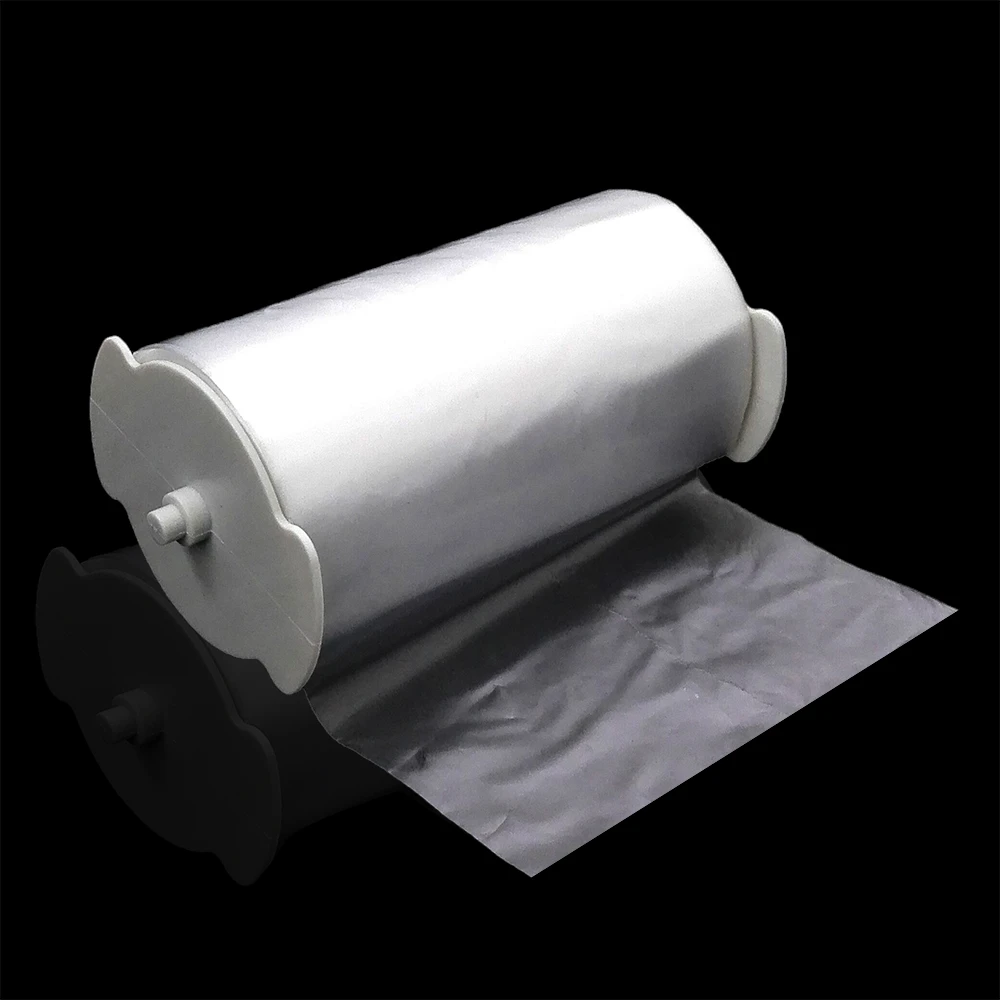
4. Are Spare Parts Available?
Commercial equipment needs to remain serviceable after installation.
Ask the automatic toilet seat supplier which components can be replaced separately, such as sensors, power adapters, batteries, control components or mechanical parts.
A supplier that can provide replacement components can make maintenance easier and reduce the need to replace an entire unit because of one damaged component.
5. Can They Support OEM and ODM Requirements?
For distributors and established brands, standard products may not always be enough.
Check whether the manufacturer can support:
- Logo and branding
- Packaging customization
- Product appearance
- Functional modifications
- User interface requirements
- Custom product development
However, OEM/ODM capability should be supported by actual engineering and production resources rather than simply being listed on a supplier profile.
6. What Certifications and Compliance Documents Are Available?
Certification requirements vary by market and product configuration.
Before purchasing, ask the supplier which certifications and technical documents are available for the specific model you are buying.
Depending on the destination market and product configuration, buyers may need documents related to electrical safety, electromagnetic compatibility, environmental requirements or other applicable standards.
Do not rely only on a generic certificate from a supplier website. Make sure the documentation corresponds to the actual product model.

7. How Does the Manufacturer Control Quality?
Ask how quality is controlled before shipment.
A professional production process may include incoming component inspection, assembly inspection, functional testing and final inspection.
For automatic toilet seats, testing should cover the functions that matter during actual operation, including film replacement, sensor response, power supply and mechanical movement.
The goal is not simply to receive products that look good. The equipment needs to perform consistently after installation.
8. Can They Handle Your Required Production Volume?
Your supplier should be able to support both the initial order and potential repeat orders.
A distributor may start with a small trial order and later require hundreds or thousands of units. A commercial project may also require multiple models, spare parts and sanitary film rolls.
Ask about:
- Monthly production capacity
- Standard lead time
- MOQ
- Repeat-order capacity
- Consumable production capacity
Production capability becomes especially important when a product is specified for multiple locations or a chain of facilities.
9. What Is the Warranty Policy?
Warranty terms should be clear before the order is confirmed.
Ask what the warranty covers, how long it lasts, which components are included and how technical problems are handled.
Also ask whether the supplier provides troubleshooting instructions, replacement components or remote technical support.
A lower purchase price may not be attractive if resolving a product problem becomes difficult after installation.
10. What Happens After the Sale?
For commercial restroom equipment, the supplier relationship does not end when the shipment arrives.
A reliable automatic toilet seat manufacturer should be able to support customers with installation information, operating instructions, sanitary film replacement guidance and technical communication.
For larger projects, it is also useful to have clear communication between the supplier, buyer and installation contractor before shipment.
Looking for an Automatic Toilet Seat Manufacturer?
If you are sourcing automatic hygienic toilet seats for a hotel, airport, hospital, restaurant, shopping mall, office building or other commercial facility, prepare the following information before contacting a manufacturer:
- Required quantity
- Toilet type and dimensions
- Daily estimated usage
- Installation location
- Preferred activation method
- Power supply conditions
- OEM/ODM requirements
Providing these details allows the supplier to recommend a suitable model and prepare a more accurate quotation.
Need a quotation for your project? Send us the quantity, toilet dimensions,and application


