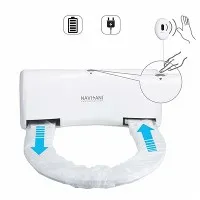
Compatibility First:
Before purchasing, confirm the automatic toilet type (round, square, V-shaped) and installation hole spacing (common spacing 130-180mm). Some brands offer adjustable mounting plates to accommodate more toilet styles. Also, pay attention to the distance between the toilet tank and the ceramic body to avoid the tank protruding and affecting the lid-opening function.
Core Function Selection:
For basic needs, choose models with warm water washing, automatic lid opening, and one-button flushing. For advanced needs, consider warm air drying, a heated seat (multi-temperature adjustment), and nozzle self-cleaning (UV or silver ion sterilization). For high-end needs, consider smart functions such as foot-activated flushing, voice control, and app integration (water consumption statistics, fault alerts).
Safety and Quality Control:
Prioritize products with an IPX4 or higher waterproof rating to avoid short circuits in humid environments; the toilet seat should meet antibacterial standards (such as SIAA antibacterial certification) to reduce bacterial growth; the electrical system should have triple safety mechanisms, including leakage protection, overheat protection, and high water pressure protection. Branded products usually provide relevant certification reports.
After-Sales Service and Consumables Considerations:
Understand the brand's warranty policy; most mainstream brands offer a 2-year warranty, and the distribution of local after-sales service outlets. Pay attention to the replacement costs of consumables, such as activated carbon filters and nozzle cleaning pads, and choose brands where consumables are readily available and easy to replace.