


How to Calculate the ROI of Installing Automatic Toilet Seats

Facility managers face escalating maintenance budgets driven by high-traffic commercial restrooms. Traditional paper toilet seat covers create persistent plumbing blockages, mandate continuous restocking, and increase custodial hours.
Transitioning to automatic sanitary film systems replaces unpredictable maintenance expenses with measurable operational predictability. By analyzing consumable reduction and labor efficiency against initial procurement costs, procurement directors can forecast a precise payback period.
Evaluating the actual financial impact requires moving beyond standard purchase price and examining the Total Cost of Ownership (TCO).
Analyzing the Financial Drain of Traditional Restrooms
Commercial properties, such as airports and hospitals, experience heavy foot traffic that directly translates to high consumable burn rates. Paper seat covers often result in double or triple dispensing per user. When these paper products accumulate, they cause pipe blockages. The expenses associated with emergency plumbing interventions and increased janitorial sweeps severely degrade facility budget efficiency.
The Core Toilet Seat ROI Calculation Formula
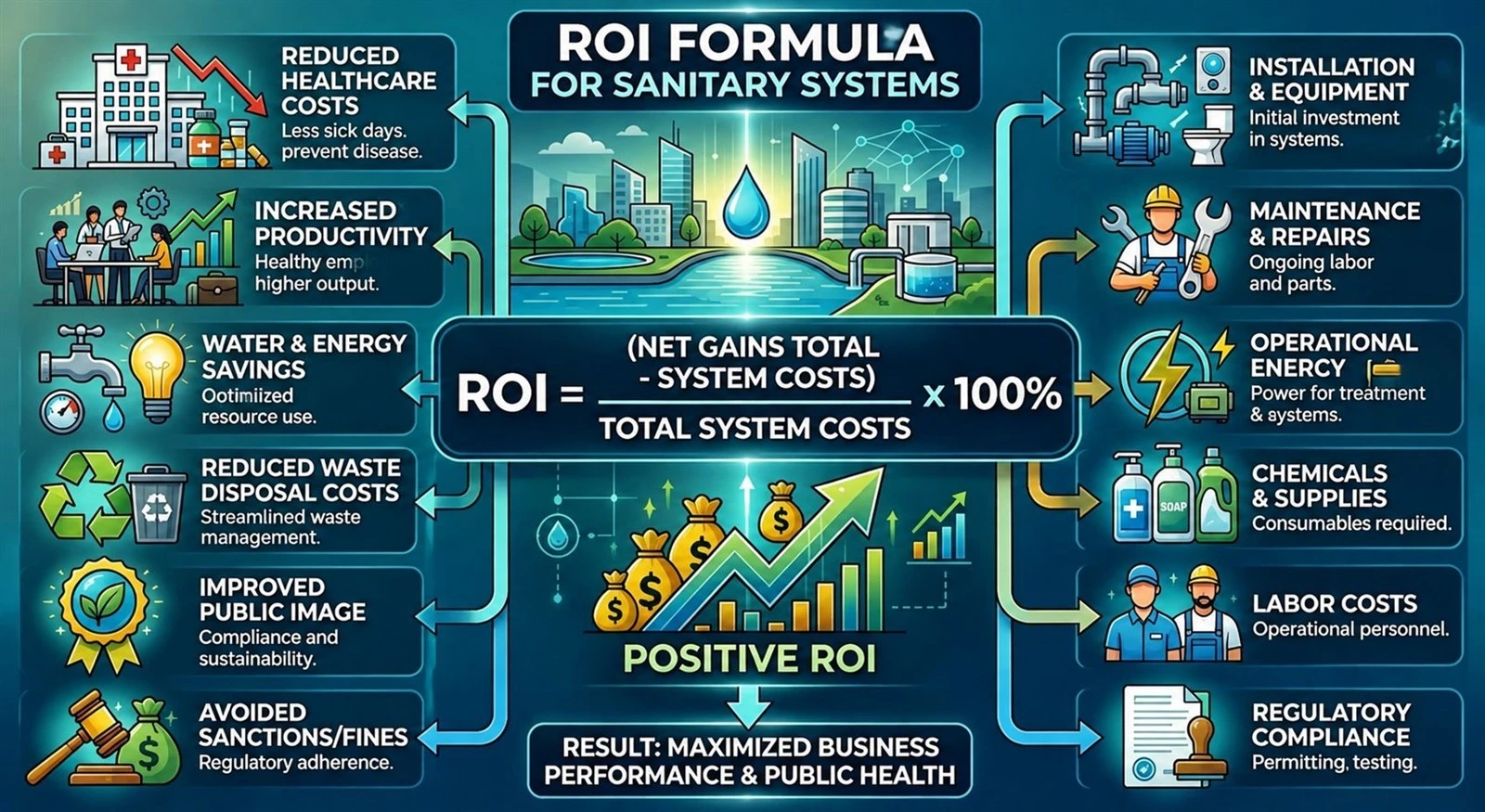
To accurately determine your toilet seat ROI, facility managers must quantify both direct and indirect expenses. The formula evaluates annual operational savings against the initial capital expenditure.
ROI = (Net Annual Savings / Total Equipment Investment) × 100
Total Equipment Investment: The upfront cost of purchasing the automatic units, ideally secured at wholesale rates, plus installation labor.
Net Annual Savings: (Previous Paper Costs + Plumbing Fees + Janitorial Labor) - (Sanitary Film Roll Replacements + Battery/Electricity Costs).
Implementing automatic systems typically reduces maintenance labor by 40% by eliminating the need to pick up discarded paper covers from the floor and manually wipe down ceramic surfaces.
TCO Breakdown: Paper Covers vs. Automatic Sanitary Systems
Comparing a standard 100-stall commercial facility over a 12-month period provides a clear view of the financial trajectory.
| Expense Category | Traditional Paper Seat Covers | Automatic Sanitary Film Systems |
| Initial Hardware Cost | $2,000 (Basic dispensers) | $15,000 (Wholesale hardware) |
| Annual Consumables | $18,500 (Paper covers) | $6,200 (HDPE film rolls) |
| Plumbing Maintenance | $4,500 (Clog removal) | $0 (Film is non-flushable/collected) |
| Custodial Labor | $24,000 (Daily restocking/cleaning) | $14,400 (Reduces maintenance labor by 40%) |
| Year 1 Total Cost | $49,000 | $35,600 |
| Year 2+ Annual Cost | $47,000 | $20,600 |
Note: Calculations are baseline industry averages. Actual figures vary by region and foot traffic volume.
Sourcing Strategy: Wholesale Procurement and OEM Capacity
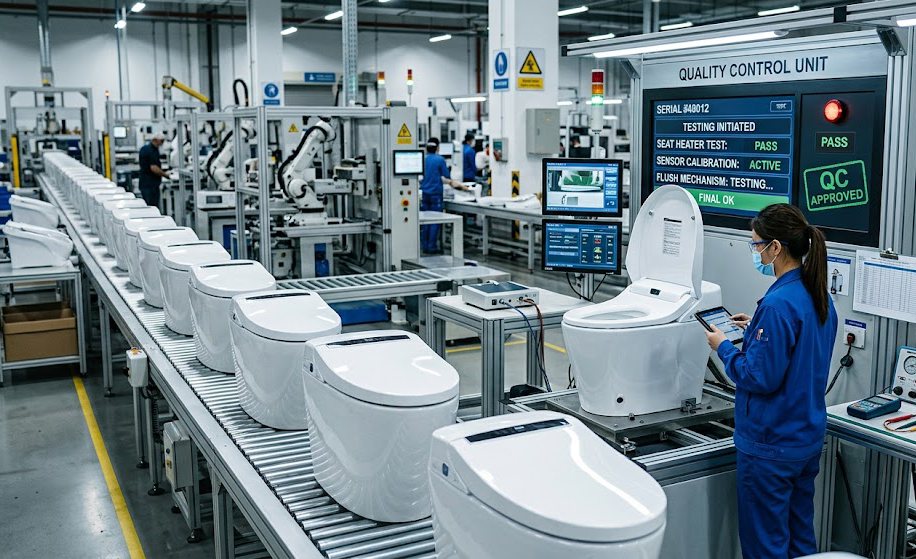
For large-scale commercial real estate projects, sourcing directly from a manufacturer alters the ROI equation significantly. Bypassing third-party distributors lowers the Total Equipment Investment.
Working with a dedicated factory provides access to enterprise-grade hardware engineered for durability. Commercial units boast a 10,000+ times usage lifespan, drastically reducing the replacement frequency of internal mechanisms. Furthermore, project procurement managers can leverage OEM customization within 15 days, ensuring the hardware aligns with specific architectural requirements and smart building integrations.
FAQ
Q: Do extreme temperatures affect the battery life of automatic toilet seat systems?
A: Temperatures below 0°C (32°F) reduce standard lead-acid battery efficiency by up to 20%. However, units equipped with high-capacity lithium-ion batteries maintain stable voltage output, ensuring consistent performance and continuous sanitary roll dispensing in unconditioned warehouse restrooms during winter months.
Q: Are the sanitary film rolls environmentally compliant for corporate procurement?
A: Source factories produce HDPE (High-Density Polyethylene) sanitary films that are fully recyclable. These systems meet strict CE/RoHS environmental directives, ensuring discarded rolls can be processed safely without releasing toxic compounds during municipal waste management and recycling.
Q: How does purchasing directly from a manufacturer impact replacement part availability?
A: Direct factory partnerships guarantee a continuous supply chain for proprietary components, such as micro-motors and infrared sensors. This eliminates prolonged facility downtime often experienced when sourcing through third-party distributors who maintain limited domestic inventory.
Contact now for a quote
Struggling with high maintenance costs in your commercial restrooms? Reach out to our engineering team for a customized ROI analysis and request a free sample of our automatic sensor toilet seat systems today.


